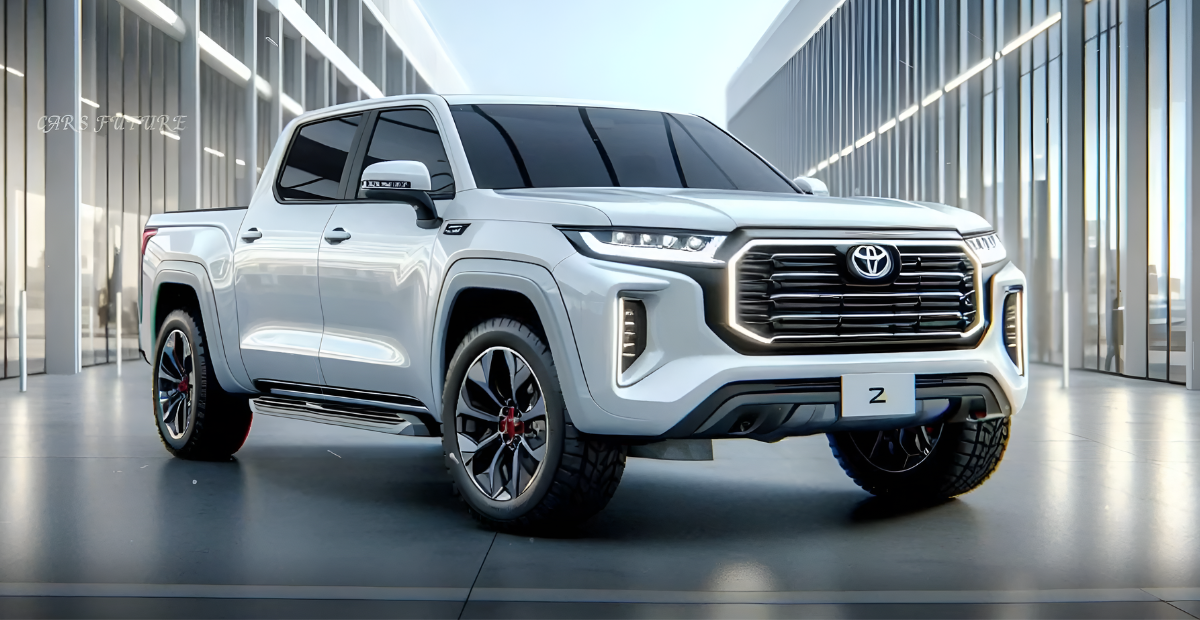
The 2026 Toyota HiLux is shaping up to be the most consequential update to Australia’s best-known ute in years. Spy photos and reports suggest a reveal in late 2025, with Australian showroom arrivals likely in early 2026. Expect a tougher, more premium cabin, advanced active-safety tech, smarter connectivity, and a drivetrain strategy that blends proven diesel muscle with newer electrified options over time. In other words: the HiLux you know—smarter, cleaner, and more comfortable, without losing its hard-working roots.
With that context, let’s dig into the details that matter for Aussie ute buyers and tradies who also want daily luxury.
Premium interior comfort
Toyota has steadily moved the HiLux up-market, and the 2026 model looks set to double down on that strategy. Expect a quieter cabin with more premium touchpoints—soft-touch dash materials, improved seat ergonomics, and better noise, vibration and harshness (NVH) isolation so long highway slogs or school-run commutes feel genuinely refined.
Based on Toyota’s recent interiors, a “dual-screen” style layout is likely: a large central infotainment display paired with a high-resolution digital instrument cluster. Wireless Apple CarPlay/Android Auto and faster processing will reduce lag when you’re hopping between navigation, job management apps, and music. Toyota’s latest utes and 4x4s have jumped forward in seating support too, so look for longer squabs, better lumbar, optional heating/ventilation up front, and memory settings on higher grades. A premium audio system (think JBL-tuned) and extra USB-C points for front and rear passengers are safe bets.
Storage will remain a HiLux strong suit. Expect wider door bins, a deeper centre console for tablets and paperwork, and a clever split of open vs. covered storage so the cabin stays tidy on site days. Rear-seat comfort—often a ute weak point—should improve via better cushioning and increased backrest angle, especially in dual-cab variants. In short: it’ll still be a workhorse, but one you’ll happily daily around town.
Toyota Helux 2026 Advanced technology features
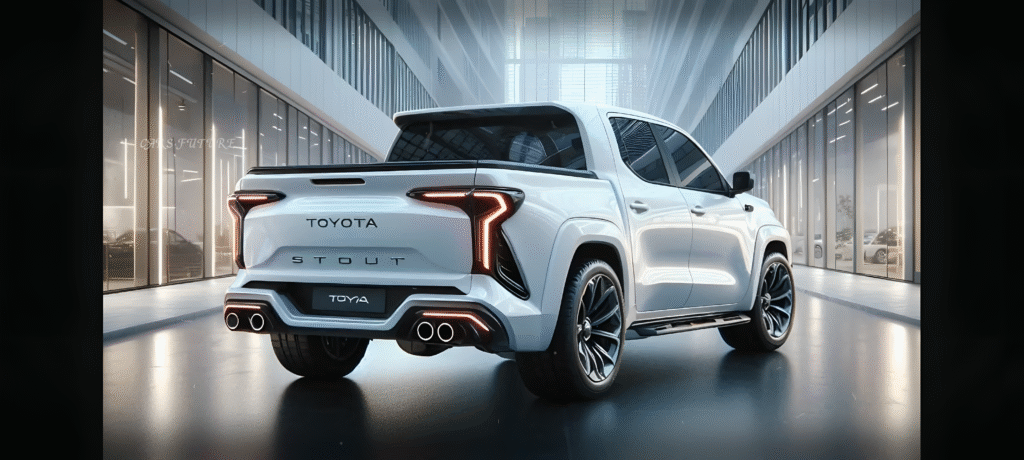
Tech is the headline shift in modern utes, and Toyota’s playbook is clear: bring across the proven hardware/software stack from its newest trucks.
Infotainment & connectivity. Expect a big, bright touchscreen with crisper graphics, over-the-air (OTA) update capability for maps and some vehicle functions, and wireless smartphone mirroring. Toyota’s latest systems also support cloud navigation and connected services (vehicle health reports, remote lock/unlock, maybe even a digital key on top grades).
Driver information & camera suites. A configurable digital cluster will likely offer off-road data pages (inclines, wheel articulation, diff status) and towing readouts (trailer light check, yaw monitoring). A 360-degree camera system—with a transparent-chassis style view for rock-crawling—should become mainstream on mid-to-high trims. On the current HiLux mild-hybrid grades, Toyota has already rolled in Multi-Terrain Select modes—expect those to be more prominent and powerful in 2026.
Safety suite evolution. Toyota Safety Sense has advanced rapidly; expect smarter lane support, improved adaptive cruise, Road Sign Assist, and better pedestrian/cyclist detection.
Quality-of-life tech. Think power tailgate on premium variants, additional bed lighting, in-bed power outlets, and more robust factory accessory integration (roof gear, snorkels, recovery points) with wiring harnesses designed for plug-and-play. Toyota’s ecosystem of genuine accessories is likely to grow, reflecting how buyers use modern dual-cabs as both work tools and adventure rigs.
Toyota Helux 2026 Powerful engine options
The most important question for ute buyers is always the same: what’s under the bonnet?
2.8-litre turbo-diesel (with 48V assistance). The familiar 2.8-litre four-cylinder diesel isn’t going anywhere. The key difference is electrified assistance via a 48-volt mild-hybrid system. This boosts drivability at low rpm, smooths stop-start, and trims fuel use—without changing the core towing/hauling character diesel owners demand.
Hybrid potential. Toyota has multiple hybrid playbooks. In North America, the Tacoma uses the i-FORCE MAX system—pairing a 2.4-litre turbo-petrol with an electric motor integrated into the 8-speed auto for muscular, diesel-like torque. If Toyota chooses to localise a variant of this system for Australia, it would give the HiLux instant throttle response, strong mid-range pull, and quieter operation around town.
Hydrogen and future pathways. Toyota’s fuel-cell HiLux prototypes—built and tested in the UK—prove Toyota is exploring zero-emission options for a pickup chassis. While not a near-term showroom item for Australia, this R&D underscores a multi-path strategy (diesel, hybrid, battery-electric, fuel-cell) that can flex with infrastructure and regulation.
Reality check on the platform. Some reports suggest a move to Toyota’s TNGA-F architecture to unlock rigidity, steering and electronics upgrades; others say 2026 may be a heavy facelift on the current underpinnings. Either way, what matters is the result: improved refinement and capability without losing payload and towing.
Toyota Helux 2026 Off-road capability
HiLux buyers care about real traction and durability far more than spec-sheet bravado. The 2026 model should bring meaningful upgrades in controllability and confidence:
- Multi-Terrain Select & Crawl Control: Expect expanded terrain logic (sand, mud, rock, mogul) and a more “set-and-forget” crawl mode for slippery, technical sections.
- Better cameras & under-body awareness: A higher-resolution “surround view” with off-road overlays will help place tyres on narrow tracks and avoid hidden stumps or ruts.
- Chassis tuning: Look for retuned suspension with more travel and tighter body control. Expect grade-specific tunes—touring-friendly on mainstream SR/SR5, and seriously tough on GR Sport or equivalent halo grades.
- Factory accessories that just work: Integrated auxiliary switches, pre-wired light bars and compressors, rated recovery points, and snorkels designed into airflow modelling reduce the need for aftermarket compromises.
- Towing smarts: Beyond the 3.5-tonne conversation, expect Toyota to focus on controllability—smoother downshifts on grades, sway mitigation, and trailer check tools on the infotainment screen.
Toyota Helux 2026 Safety and driver assistance
Toyota Safety Sense iterations have been maturing quickly, and it’s reasonable to expect the 2026 HiLux to land with the brand’s latest generation suite:
- Adaptive cruise with lane centring tuned for highway work and long country runs.
- Enhanced AEB with better pedestrian/cyclist/junction detection.
- Road Sign Assist and Intelligent Speed Assist to reduce fatigue on speed-varying suburban routes.
- Lane Departure Alert with more natural steering support.
- Parking aids: 3D surround view, Rear Cross-Traffic Braking, safe-exit warnings, and trailer-focused camera logic.
Expect Australian calibration work to suit rough-edged B-roads, unsealed shoulders, and the realities of towing caravans or plant trailers.
Toyota Helux 2026 Expected pricing and availability
Timing. The smart money is on a late-2025 global reveal with Australian arrivals in early 2026.
Grades. Australia should continue to see a broad ladder: WorkMate, SR, SR5 and range-toppers like Rogue/GR Sport. Single-cab, extra-cab and dual-cab bodies remain crucial for fleet and private buyers alike.
Pricing. Final numbers will be announced at launch. With more standard safety, bigger screens, and electrified assistance, expect modest price rises versus current equivalents—in line with what we’ve seen across the ute market as it modernises.
Availability realities. Demand will be hot. If you’re aiming for a 2026 delivery—especially in popular dual-cab 4×4 spec—talk to dealers early, get on an expression-of-interest list, and be ready to move at reveal time. Regional allocation can vary, so flexibility on colour and options often shortens wait times.
Toyota Hilux 2026 Fuel efficiency and sustainability
Efficiency is where the 2026 HiLux is set to make the biggest everyday difference.
48-volt mild-hybrid diesel. The system trims fuel use by roughly 7–10% in real-world conditions, mainly by harvesting energy under decel and feeding it back for smoother restarts and low-speed torque fill. The driving effect: less gear-hunting in traffic, an almost “big-engine” take-off feel, and small but meaningful fuel savings week to week. Expect that tech to be standard or widely available in 2026.
Full hybrid potential. If Toyota localises a variant of the Tacoma’s i-FORCE MAX for Australia, expect quieter urban running, strong torque at low rpm, and the ability to cruise efficiently on light throttle.
Hydrogen R&D. Toyota’s hydrogen fuel-cell HiLux program won’t replace diesel or hybrid overnight, but it demonstrates a credible zero-emission pathway for a ute form factor.
Sustainable materials & lifecycle. Expect incremental moves—more recycled plastics in non-touch areas, improved seat foam chemistries, and manufacturing energy reductions—alongside the drivetrain focus. Toyota’s global scale allows small sustainability gains to add up across high-volume models like HiLux.
Who should shortlist the 2026 HiLux?
- Tradies and fleets who want diesel toughness with better refinement and lower operating costs.
- Tourers and campers who value Toyota’s dealer network, accessories ecosystem, and resale strength.
- Everyday families who need a safe, comfortable dual-cab for school runs and weekend projects—without giving up the tray’s utility.
- Early tech adopters watching for hybrid availability in a ute they can trust.
Final word
Toyota doesn’t do radical for the sake of it—and that’s exactly why the 2026 HiLux is poised to be such an effective upgrade. The core recipe is intact: proven diesel torque, payload/towing credibility, and a chassis designed to cop Aussie abuse. Around that, Toyota is layering in the tech, safety and comfort modern buyers expect, and mapping a long-term path to cleaner propulsion.
If you want a ute that looks the part on site, feels premium on the highway, and is set up for the next decade of ownership, the Toyota helux 2026 belongs on your shortlist. Keep an eye on the global reveal later this year; Australia’s launch window in early 2026 means the order books and specs should firm up soon.