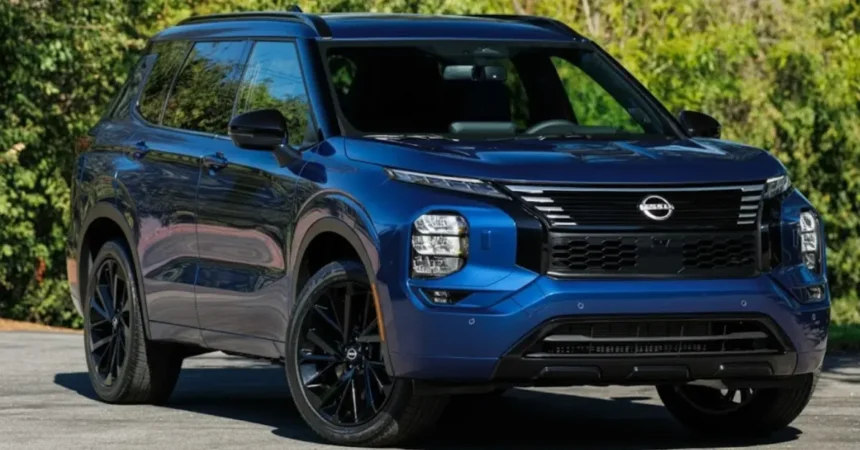
1. Overview & Positioning
The Nissan Rogue Plug-In Hybrid (PHEV) is set to make waves as one of the most anticipated hybrid SUVs of 2026. What makes it especially interesting is that it’s essentially a rebadged version of the Mitsubishi Outlander PHEV, thanks to the Nissan-Mitsubishi-Renault alliance.
This means the Rogue PHEV will share its powertrain, platform, and much of its technology with the highly successful Outlander PHEV — but with Nissan’s unique styling, branding, and interior refinement.
The new Rogue PHEV aims to position itself as a premium family hybrid SUV, combining fuel efficiency, electric-only driving capability, and rugged practicality.
2. Exterior Design Updates
While it shares its DNA with the Outlander PHEV, the Rogue Plug-In Hybrid will feature Nissan’s own signature styling cues that give it a distinct identity.
Expected Exterior Highlights:
- V-Motion front grille redesigned for a cleaner, modern hybrid look.
- Sleek LED headlamps integrated seamlessly into a sculpted front bumper.
- Bold body lines and a muscular stance similar to the current Rogue.
- Redesigned 19-inch alloy wheels exclusive to the PHEV variant.
- Updated taillights and a new rear bumper for a more premium SUV feel.
- Hybrid-specific badging and unique colour options.
The Rogue PHEV will therefore combine Nissan’s elegance with Mitsubishi’s proven architecture, giving buyers the best of both brands.
3. Premium Interior & Technology
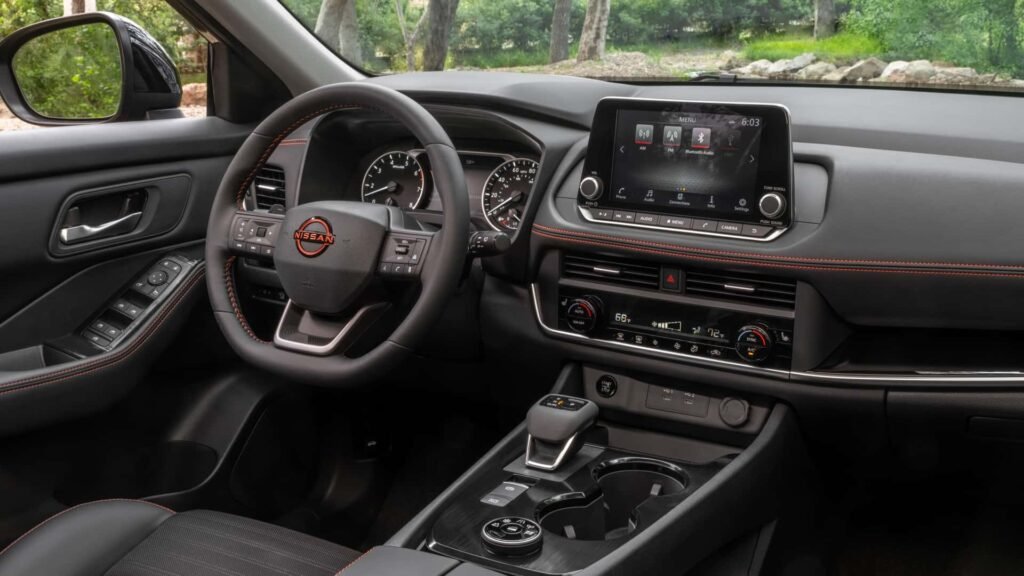
Inside, the Rogue Plug-In Hybrid is expected to deliver a premium, comfort-focused cabin with advanced connectivity and family-friendly features.
Interior Highlights:
- A new 12.3-inch touchscreen infotainment system with wireless Android Auto and Apple CarPlay.
- Fully digital driver display showing EV range, energy flow, and hybrid modes.
- Premium leatherette or Nappa leather upholstery depending on variant.
- Spacious three-row seating (2+3+2 layout) similar to Outlander PHEV.
- Panoramic sunroof, ambient lighting, and dual-zone climate control.
- Advanced Bose sound system, rear sunshades, and wireless charging pad.
- 360° camera with parking sensors and multiple drive modes.
Given Mitsubishi’s solid foundation and Nissan’s interior finesse, expect the Rogue PHEV to offer a luxurious and practical cabin suitable for growing families.
4. Powertrain, Range & Performance
Because it shares Mitsubishi’s platform, the Rogue Plug-In Hybrid will likely use the same highly efficient hybrid powertrain found in the Outlander PHEV.
Expected Powertrain Specs:
| Specification | Details |
|---|---|
| Engine | 2.4L Petrol Engine |
| Electric Motors | Dual-Motor AWD System |
| Combined Output | 248 HP (approx.) |
| Battery Capacity | 20 kWh |
| Electric-Only Range | Up to 60–70 km |
| Hybrid Range | 800+ km combined |
| Charging | Fast-charging + Level 2 AC charging |
Performance Highlights:
- Super-All Wheel Control (S-AWC) for confident off-road and slippery-surface performance.
- Smooth EV-only driving for city commutes.
- Multiple drive modes including Eco, EV, Snow, Tarmac, Mud.
- Seamless transition between electric and hybrid power.
With Mitsubishi’s PHEV expertise behind it, the Rogue PHEV promises excellent efficiency, strong AWD capability, and practical everyday usability.
5. Variants & Expected Pricing
| Variant | Drivetrain | Expected Price (USD) |
|---|---|---|
| Rogue PHEV Base | AWD | $40,000 – $42,000 |
| Rogue PHEV Mid | AWD | $43,000 – $45,000 |
| Rogue PHEV Premium | AWD | $46,000 – $49,000 |
For a three-row family SUV with plug-in capability and premium features, this pricing places the Rogue PHEV as a high-value proposition in the hybrid market.
6. Competitor Comparison – 2026
| Model | Powertrain | Price | Key Highlights |
|---|---|---|---|
| Nissan Rogue PHEV (2026) | Plug-in Hybrid AWD | $40k–$49k | Mitsubishi PHEV tech, premium Nissan design |
| Mitsubishi Outlander PHEV | Plug-in Hybrid AWD | $39k–$49k | Proven hybrid system, similar platform |
| Toyota RAV4 Prime | Plug-in Hybrid AWD | $45k–$52k | Faster, more powerful, very high demand |
| Hyundai Tucson PHEV | Plug-in Hybrid AWD | $41k–$48k | Stylish, tech-loaded |
| Ford Escape PHEV | FWD (no AWD) | $37k–$42k | Efficient but less capable |
The Rogue PHEV will stand out for offering Outlander-level capability with Nissan’s refined styling — a combination many buyers will appreciate.
7. Why the Rogue Plug-In Hybrid Will Be a Hit
- Shares Mitsubishi’s class-leading PHEV technology with proven reliability.
- Premium Nissan design gives it a more stylish, modern identity.
- Strong electric-only range ideal for daily commuting.
- AWD practicality for families, snow, and off-road adventures.
- More affordable than many rivals in the PHEV segment.
- Combines the strengths of two global brands under one badge.
This makes the Rogue PHEV an excellent choice for buyers wanting efficiency, practicality, and premium comfort without stretching their budget.
8. What to Expect Next
- Official reveal of design and interior layouts in early 2026.
- Market rollout beginning with North America, followed by select global markets.
- Nissan may offer performance-inspired trims or off-road enhancements later.
- Software updates could introduce improved EV mode and range optimization.
Final Verdict
The Nissan Rogue Plug-In Hybrid 2026 is shaping up to be one of the smartest and most practical hybrid SUVs of the year. With the trusted engineering of the Mitsubishi Outlander PHEV, combined with Nissan’s premium styling and interior improvements, this rebadged SUV brings the best of both worlds.
If you want a modern family SUV that offers electric flexibility, hybrid range, AWD capability, and upscale comfort, the new Rogue PHEV is set to become one of the top choices in the plug-in hybrid market.