As Australia pivots toward electric vehicles, competition in the compact EV SUV segment is heating up. The GWM Ora 5 is shaping up as a serious contender — aiming to rival the BYD Atto 3 with fresh styling, solid specs, and competitive pricing.
In this article, we break down everything you need to know: from powertrain to interior, Aussie-focussed advantages and drawbacks, and ultimately, whether the Ora 5 can become a household name on Australian roads.
Why the Ora 5 Matters in Australia
- The BYD Atto 3 has gained strong traction, but there remains demand for more choice in the compact EV SUV space.
- GWM is banking on combining technology, design, and affordability to carve out its slice of the market.
- From a consumer’s standpoint, the key questions are: Does it deliver on range, charging, practicality, and after-sales service?
What We Know: Specs & Technology (Based on Leaked / Announced Details)
Here’s what’s been revealed (or reliably leaked) about the Ora 5:
| Spec | Expected / Leaked Figure |
|---|---|
| Motor & Power | Likely single motor, ~150–180 kW (depending on variant) |
| Battery | Around 60–65 kWh usable capacity |
| Range (WLTP equiv) | Expect 400–450 km per charge (real-world likely lower) |
| Charging | Up to 150 kW DC fast-charging |
| Drivetrain | Front-wheel drive (single motor) |
| Dimensions | Compact SUV footprint, likely comparable to Atto 3 |
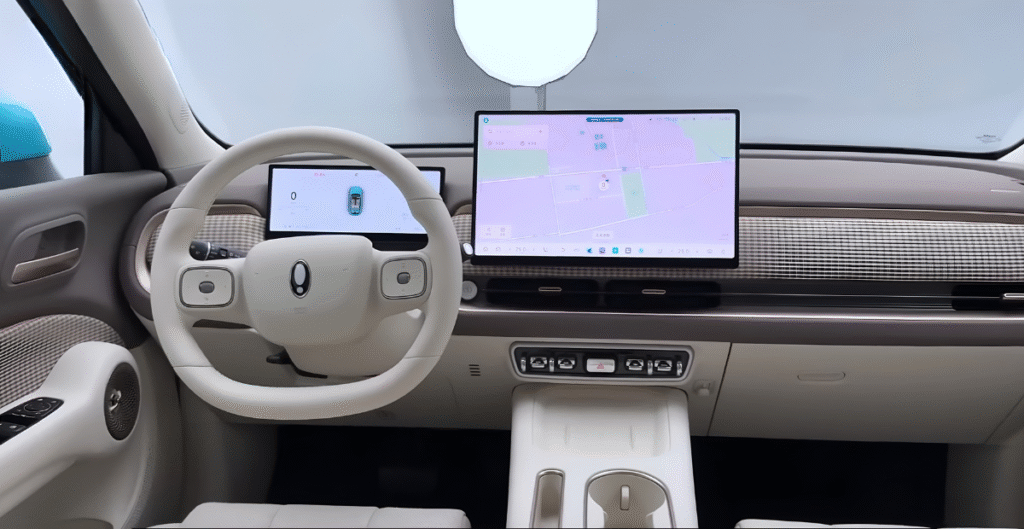
| Interiors | Modern layout, dual screens, over-the-air software, tech features |
| Variants | Standard and “GT / sport” versions expected |
These are not confirmed final Aussie specs — but they give a solid base for what to expect.
Styling & Design: Breaking the Mold
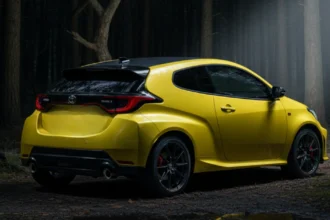
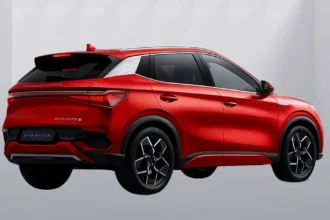
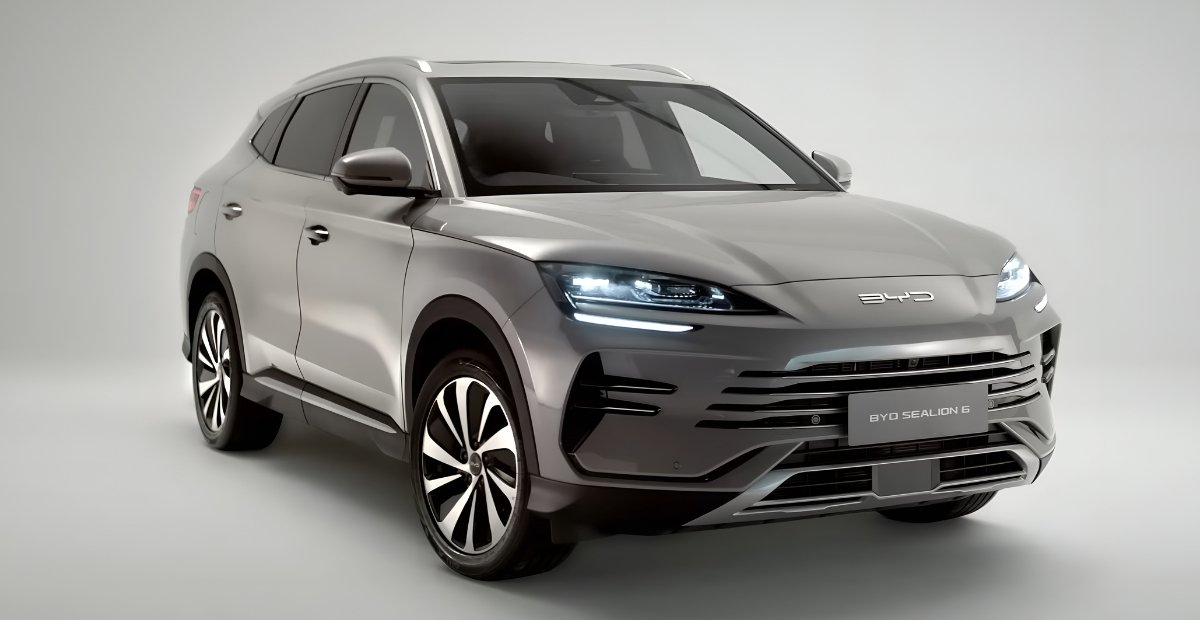
The Ora 5 leans into bold, expressive design. Rounded edges, futuristic lighting signatures, clean surfaces, and a minimalist aesthetic give it strong road presence without being overly aggressive. Its silhouette looks compact yet purposeful.
GWM looks to position it as more than just a utility EV – styling cues suggest an emphasis on lifestyle appeal: rival to compact SUVs, rather than just “EV car.” That’s smart, because many buyers want EVs that look like desirable machines, not gadgets.
Interior, Comfort & Technology
From early glimpses, the Ora 5’s interior aims to punch above its weight:
- Twin digital displays: a digital instrument cluster plus central infotainment touchscreen
- Sophisticated UI / UX (likely over-the-air updates, smart connectivity)
- Generous cabin space given its compact exterior (maximizing room)
- Premium touches in higher variants: better materials, ambient lighting, upgraded seats
However, much will hinge on real materials (plastics, fit & finish) and how well GWM localises the interior (for climate, usability, glove-friendly switches, etc.).
Practicality & Useability in the Australian Context
Range & Charging
Range is a critical sticking point for many buyers. If the Ora 5 can deliver 400+ km real-world, it becomes genuinely usable for daily commutes, occasional regional trips, or suburban buyers.
Fast-charging capabilities (ideally 100–150 kW or more) will be essential to keep it competitive. If its DC charging speeds are too low, it’ll struggle against Atto, Tesla, and others.
Battery Warranty & Durability
Australian buyers will expect a strong battery warranty — 8 years / 160,000 km is becoming common. GWM must deliver confidence that its battery will degrade slowly and handle heat / climate stresses.
Durability in Aussie conditions (heat, coastal salt, rough roads) will be a major test. The cooling system, battery protection, suspension setup and build quality all matter.
After-Sales, Servicing & Charging Infrastructure
One of the biggest challenges for newer EV entrants is service network and parts availability. If GWM can match or exceed BYD’s or Tesla’s infrastructure in Australia (charging network, service centres, replacement parts), it gains huge credibility.
Also, integration with existing charging networks (Evie, Chargefox, etc.), good mapping, and incentives will play a big role in user experience.
How the Ora 5 Stacks Up Against BYD Atto 3 & Rivals
Here’s a head-to-head look at how the Ora 5 could compete:
| Feature | BYD Atto 3 (Current benchmark) | Expected Ora 5 Strengths / Risks |
|---|---|---|
| Range | ~430 km real-world (varies by variant) | Ora needs to match or exceed, or risk being behind |
| Charging Speed | Up to ~120–150 kW | Ora offering 150 kW+ gives edge |
| Interior / Tech | Strong UI, decent quality for segment | Ora must match fit & polish |
| Price / Value | Very competitive | Ora will need aggressive pricing to lure buyers |
| Resale / Brand Trust | BYD already gaining traction | GWM must build confidence quickly |
| Service / Support | Growing network | Ora’s success depends heavily on service coverage |
If GWM prices aggressively and delivers strong range + charging + support, the Ora 5 could siphon demand away from Atto 3, Hyundai Kona EV, MG ZS EV, and upcoming EVs.
Challenges & Risks: What Could Hold It Back
- Overpromising vs real-world performance: Many new EVs underdeliver once loaded, in heat, or rural driving.
- Charging network / infrastructure limitations: If Ora 5 inability to access fast chargers or manage compatibility issues, buyers will balk.
- Brand trust & resale value: Established brands still have advantages; convincing buyers to take a chance takes time.
- Local adaptation: Features or parts that work well overseas may struggle in Australian heat, road conditions, or regulatory settings.
- Supply / launch delays: Many manufacturers announce model lines years ahead — actual arrival specs or availability may differ.
Verdict: Will the Ora 5 Be a Game-Changer?
The GWM Ora 5 has the potential to be a serious contender in Australia’s compact EV SUV segment. If GWM can deliver solid real-world range, fast charging, competitive pricing, and a reliable service network, the Ora 5 could be the choice for drivers who want more than what the Atto 3 offers today.
However, until we see final Australian-spec models, drive data, user reviews, and service footprints, it remains a promising “could be” rather than a proven winner.
Best bets: If you’re an early EV adopter, like to try new models, and live in metro / semi-metro areas with good charging coverage, keep an eye on the Ora 5. If you’re risk-averse or need full peace-of-mind, the Atto 3 still remains a safer bet — but that might change.