If you’ve been waiting for a phone that looks razor-thin without forcing you to compromise on endurance, the Nubia Air is shaping up to be that unicorn. It marries a striking ultra-slim body with a genuinely big battery, modern water-resistance, a triple rear camera setup, and a high-refresh AMOLED panel. Below, we break down everything we know so far—launch timing, performance details, display tech, standout features, battery life claims, availability, pricing and colors, and how it stacks up against rivals—so you can decide if this featherweight is your next daily driver.
Nubia Air Launch date
Nubia announced the Air at IFA 2025 with a global rollout beginning in September 2025 for select regions, followed by wider availability across Southeast Asia, Latin America, the Middle East, and other markets. That timing makes it one of the most talked-about late-year releases in the “thin-yet-enduring” category.
Why it matters: Launching at a major industry show signals confidence—and often means faster carrier and retailer uptake. For content creators and early adopters, that also means accessories (cases, films, chargers) should arrive quickly.
Nubia Air Performance
Under the hood, the Nubia Air uses an octa-core UNISOC T8300 5G platform paired with 8GB RAM (plus up to 12GB via dynamic/virtual RAM) and 256GB storage. Nubia also highlights an AI Performance Engine with “AI Scheduling” to optimize CPU behavior and an APP Freeze utility that suspends rarely used apps to save power and keep foreground tasks snappy. Expect Android 15 out of the box.
This silicon isn’t chasing flagship GPU scores; instead, it targets smooth day-to-day use, social video creation, maps, banking, messaging, and moderate gaming with power efficiency in mind. If you’re upgrading from a 4G device or an older mid-tier chipset, the combo of modern 5G radios, Wi-Fi 6, Bluetooth 5.4, and a leaner thermal envelope should feel like a step change—especially when paired with the Air’s battery management.
Creator note: Thanks to the AI camera utilities (more below), casual shooters and short-form video editors should be able to capture and stabilize clips without babysitting settings every time they record.
Nubia Air Display
Front and center is a 6.78-inch 1.5K (1224×2720) AMOLED running at 120Hz with ~440 ppi density and up to 4,500 nits peak brightness, protected by Corning Gorilla Glass 7i. Translation: sharp text, punchy color, smooth scrolling, and meaningful HDR pop in bright outdoor scenes. For an ultra-slim phone, that’s a high-impact panel spec that doesn’t cut corners on refresh rate or readability in sunlight.
What to expect in daily use:
- Scrolling and animations should feel fluid at 120Hz.
- AMOLED’s per-pixel lighting yields deep blacks for video streaming and night-mode reading.
- Gorilla Glass 7i adds resilience, helpful on a thin device where rigidity is at a premium.
Nubia Air Features
Despite its silhouette, the Air comes with a thoughtful blend of durability, imaging, security, and audio:
- Triple rear camera system: a 50MP main camera, plus supporting sensors (depth/auxiliary), and a 20MP front camera. Nubia layers in AI Sport Snapshot and EIS video anti-shake to keep footage steady when you’re moving.
- In-display fingerprint reader for quick unlock.
- HiFi 4 DSP with a high-performance audio codec for cleaner playback.
- 5G SA/NSA, Wi-Fi 6, Bluetooth 5.4 LE, GPS/GALILEO/GLONASS, and USB-C (2.0).
- Aluminum alloy frame, drop and rolling tests claimed, to add structure to the thin chassis.
The camera stack is tuned for “point-and-go” reliability with AI assists that prioritize clarity and steadiness—ideal for travel and everyday lifestyle content.
Nubia Air Battery Life
This is where the Air tries to rewrite the ultra-slim playbook. The phone integrates a 5,000 mAh battery into a body that tapers down to as thin as 5.9 mm and weighs around 172 g—numbers that typically don’t coexist. Charging is 33W. Nubia claims the cell maintains performance for 1,000+ cycles, aiming for 3+ years of dependable use thanks to battery health algorithms and the AI power-saver suite.
Real-world expectations: With the 1.5K AMOLED at 120Hz, mixed 5G/Wi-Fi use, and social camera work, you should still comfortably clear a full day. Efficiency-minded users (adaptive refresh, dark mode, Wi-Fi preferred) will likely push into day-and-a-half territory. The point is simple: for a phone this slim, “range anxiety” is no longer a given.
Nubia Air Water Resistance
An ultra-slim design usually means compromise in ingress protection, but Nubia touts IP68, IP69, and even IP69K ratings. In practice, that means protection against dust, submersion (up to 1.5 m for 30 minutes), and high-pressure, high-temperature water jets—useful insurance if your phone lives around pools, beaches, rainy commutes, or the occasional kitchen mishap. Few phones in this thickness class claim all three certifications.
Note: Water damage is still subject to the usual fine print; ratings are for fresh water under lab conditions. Always dry the port before charging.
Nubia Air Availability
Availability starts in Europe first, then expands to Southeast Asia, Latin America, the Middle East, and other global markets. Channel partners and e-commerce listings typically follow within weeks of the first-wave launch, and regional carriers may offer installment plans shortly after. If you’re outside the initial wave, expect parallel importers to move quickly while you wait for official support and local warranties.
Nubia Air Price And Color Options
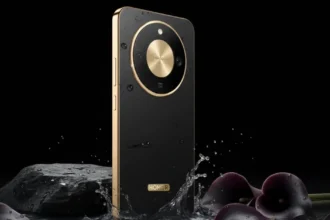
Early guidance pegs the Nubia Air at an aggressive entry point, starting around USD $279 for the 8GB/256GB configuration in initial markets, with colorways including Titanium Black, Streamer Black, and Titanium Desert. Pricing will vary by country (taxes, duties, memory tiers), but the signal is clear: Nubia wants premium slimness and water-resistance to be attainable, not just a flagship luxury.
From a value perspective, that sticker undercuts many mid-range competitors that don’t match the Air’s combination of thinness, battery size, and multi-standard IP rating.
Nubia Air Competitors
The mid-range field is fiercely competitive, and your shortlist will hinge on whether you prioritize thinness, camera versatility, battery endurance, or update policy. Here’s how the Nubia Air’s proposition lines up:
- Samsung Galaxy A35/A55: Strong software support and cameras, AMOLED screens, but thicker and typically pricier at similar storage tiers.
- Xiaomi/Redmi Note 13 Pro series: Excellent displays and high-watt charging; some variants offer larger sensors and faster SoCs. However, ingress protection isn’t as comprehensive, and build profiles are chunkier.
- realme 12+ / 12 Pro: Eye-catching designs, solid performance per dollar, quick charging. Again, not as thin and often with lower IP ratings at comparable prices.
- Motorola Edge / Moto G Stylus 5G: Near-stock Android and clean software; battery life is good, but they can’t match the Air’s water-resistance trio or its slim silhouette at this price point.
- Nothing Phone (2a): Smooth software and unique design language; pricing varies regionally and thickness is higher.
Where Nubia Air stands out is the rare combo of ultra-slim build + 5,000 mAh + IP68/69/69K around the $279 mark—an unusual mix in 2025 that pressures rivals to rethink compromises.
Final take: a forward-looking ultra-slim that doesn’t limp on endurance
For years, “thin” meant small batteries, mediocre durability, and “just okay” cameras. The Nubia Air flips that script with credible specs, modern water-resistance, and a display that reads flagship-adjacent where it counts—refresh rate, brightness, and protection. No, this isn’t a gaming monster or a camera phone aimed at pro shooters. But as a daily driver for creators, commuters, students, and anyone who values design and practicality in equal measure, it’s a compelling new entrant.
If you’re shopping this bracket, ask yourself two questions:
- Do you want a device that disappears in your pocket but won’t panic at 5 p.m.?
- Do you need the peace of mind of real water and dust resistance?
If the answers are “yes,” the Nubia Air deserves a spot at the top of your comparison list.
Key specs at a glance
- Body: as thin as 5.9 mm, ~172 g; aluminum alloy frame.
- Display: 6.78″ 1.5K AMOLED, 120Hz, ~440 ppi, Gorilla Glass 7i; up to 4,500 nits peak brightness.
- Chipset: UNISOC T8300 (octa-core), 5G, Android 15.
- Memory/Storage: 8GB RAM (+ up to 12GB dynamic) / 256GB storage.
- Cameras: 50MP main + depth/aux; 20MP selfie; EIS and AI Sport Snapshot.
- Battery/Charging: 5,000 mAh, 33W fast charging; 1,000+ cycles longevity claim.
- Durability: IP68 / IP69 / IP69K; drop/rolling tests claimed.
- Connectivity: 5G SA/NSA, Wi-Fi 6, BT 5.4 LE, GPS/GALILEO/GLONASS, USB-C (2.0).
- Price & Colors: starting ~USD $279, in Titanium Black, Streamer Black, Titanium Desert (market dependent).