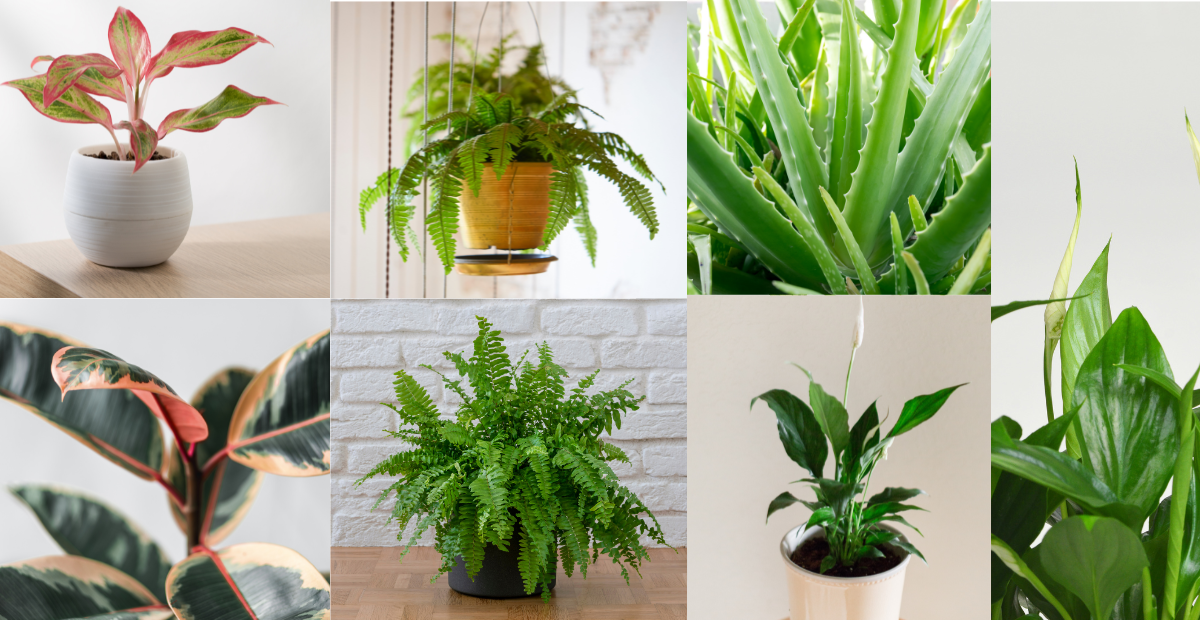
Breathing clean air is something we often take for granted. But did you know that the air inside our homes can sometimes be more polluted than the air outdoors? Dust, cleaning chemicals, pet dander, and even toxins released from furniture can all affect indoor air quality. Thankfully, nature has a solution—air purifying indoor plants.
These plants don’t just add greenery and beauty to your space; they also work silently to filter out harmful pollutants and improve oxygen flow. If you want to make your home fresher, healthier, and more inviting, here’s a complete guide to the best air purifying indoor plants and how to care for them.
Why Choose Air Purifying Indoor Plants?
Plants are natural air filters. They absorb carbon dioxide and release oxygen, but some plants go further by removing toxins such as benzene, formaldehyde, trichloroethylene, and xylene—common chemicals found in household products.
Adding a few well-chosen plants to your home can:
- Improve air quality by filtering harmful chemicals.
- Increase oxygen levels and reduce carbon dioxide.
- Boost humidity, making the air less dry (great for skin and breathing).
- Enhance mental well-being by reducing stress and creating a calming atmosphere.
NASA’s famous Clean Air Study even showed that certain indoor plants can help improve indoor air quality when used in sufficient numbers.
Top 10 Air Purifying Indoor Plants
Here’s a closer look at some of the best air-cleaning plants for homes and offices.
1. Snake Plant (Sansevieria) – The Bedroom Purifier
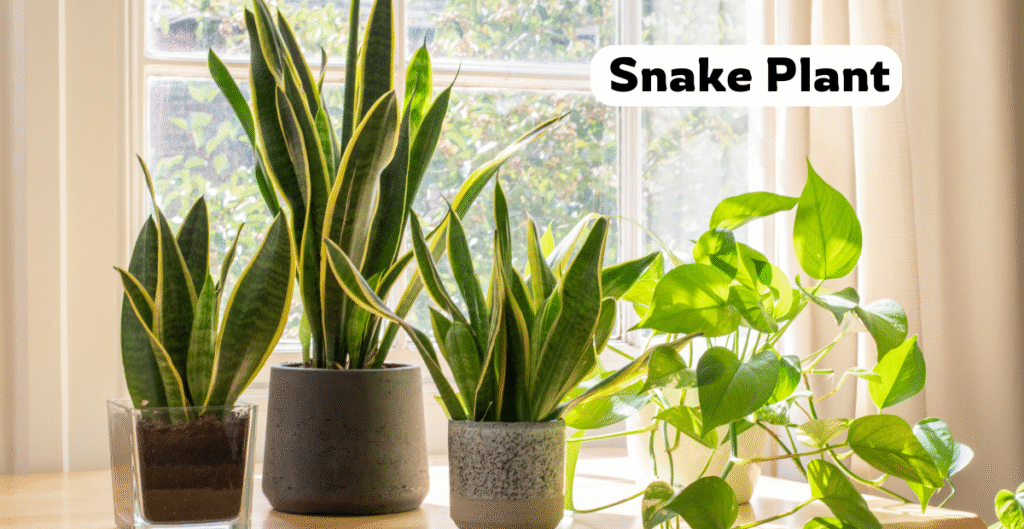
Known as the “Mother-in-law’s Tongue,” the Snake Plant is one of the hardiest houseplants around. It can survive neglect, low light, and irregular watering. More importantly, it’s one of the few plants that release oxygen at night, making it an excellent bedroom companion.
- Air benefits: Removes formaldehyde, benzene, xylene, and toluene.
- Origin: Native to West Africa, used traditionally for protective energy.
- Care tips: Place in low to bright indirect light, water only when soil is completely dry.
2. Peace Lily (Spathiphyllum) – Elegant and Effective
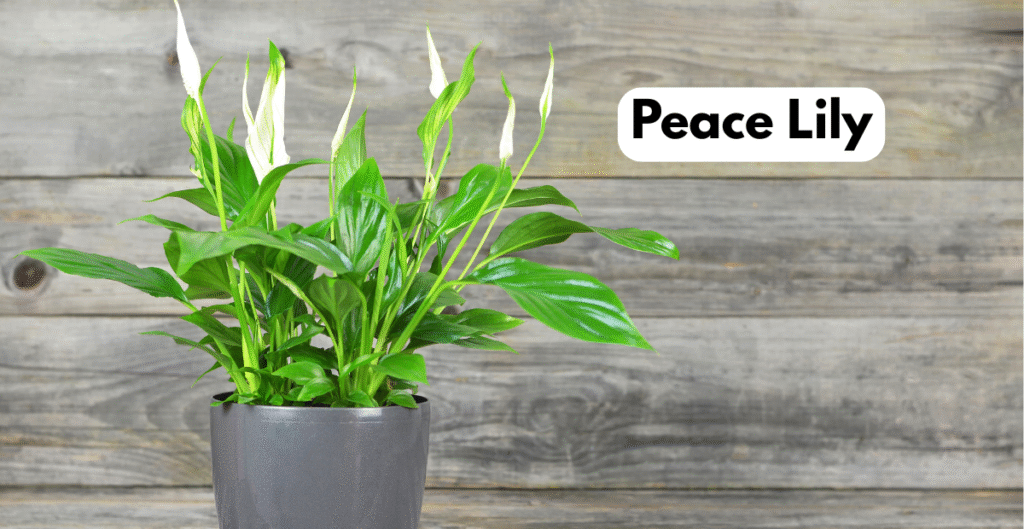
The Peace Lily is not just beautiful with its glossy leaves and white blooms—it’s also a powerhouse air cleaner. It can absorb mold spores from the air, which makes it especially useful for bathrooms.
- Air benefits: Filters benzene, formaldehyde, trichloroethylene, and mold spores.
- Origin: Native to tropical Americas.
- Care tips: Prefers low to medium light, keep soil consistently moist but not waterlogged.
3. Spider Plant (Chlorophytum comosum) – Perfect for Beginners
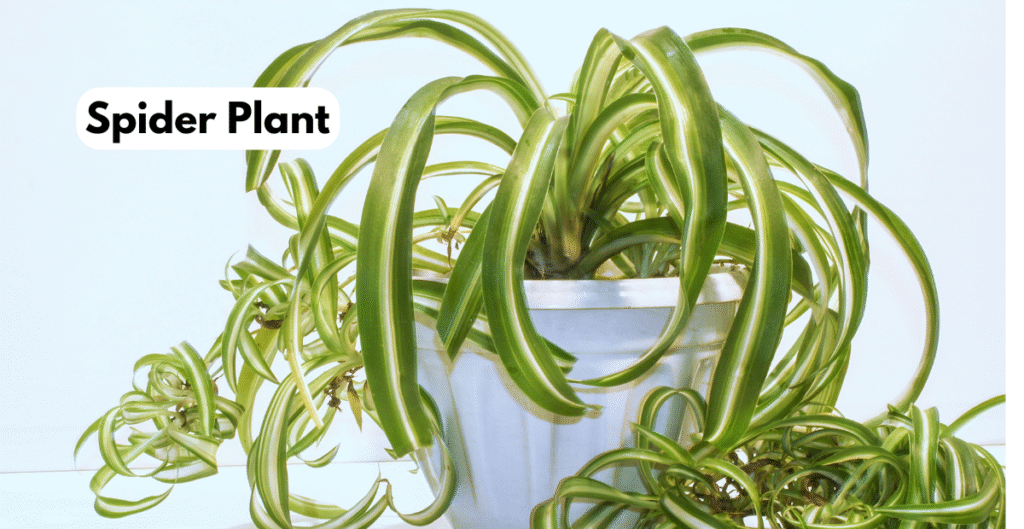
The Spider Plant is almost impossible to kill. Its long green-and-white striped leaves make it attractive, and it produces little baby “spiderettes” that you can repot to grow new plants.
- Air benefits: Removes carbon monoxide, xylene, and formaldehyde.
- Origin: Native to South Africa.
- Care tips: Thrives in indirect light, water moderately, and trim dead leaves for freshness.
4. Aloe Vera – The Healing Plant
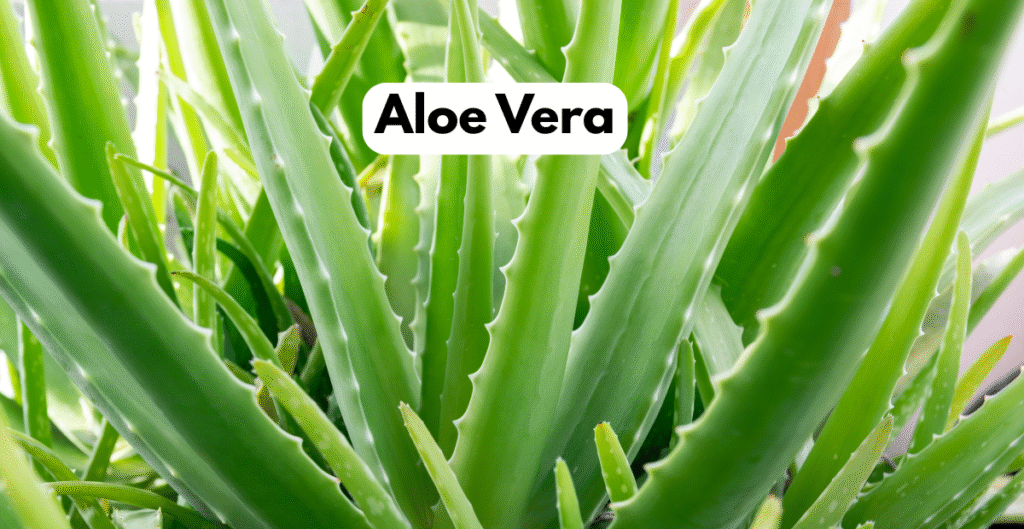
Aloe Vera is well-known for its soothing gel used on burns and skin irritations, but it’s also a natural air purifier. Its thick leaves store water, making it highly drought-tolerant.
- Air benefits: Absorbs formaldehyde and benzene.
- Origin: Native to the Arabian Peninsula but grown worldwide.
- Care tips: Loves bright light, so place it near a sunny window. Water sparingly—overwatering can rot the roots.
5. Areca Palm (Dypsis lutescens) – The Natural Humidifier
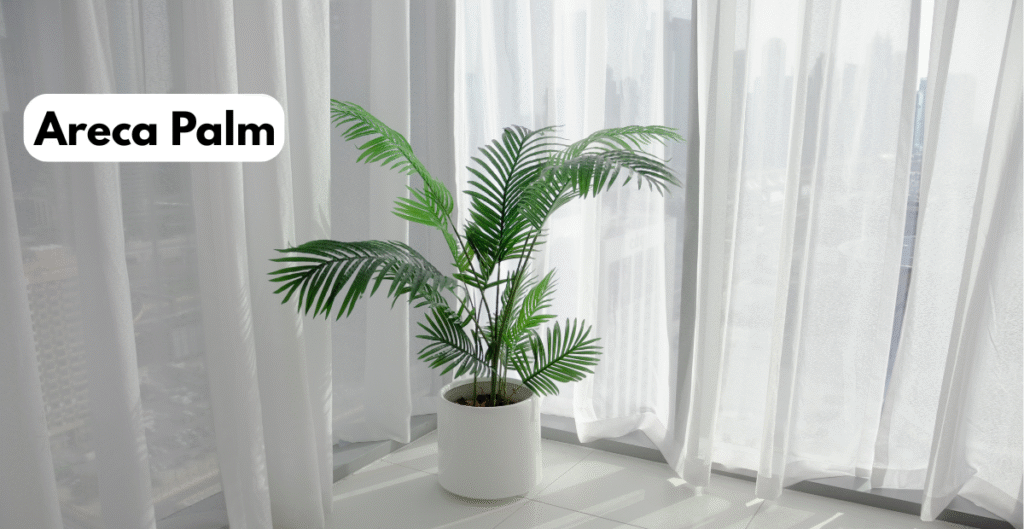
The Areca Palm, also called the Butterfly Palm, is not just a statement plant but also a great natural humidifier. It releases moisture into the air, helping relieve dry skin and respiratory issues.
- Air benefits: Filters benzene, formaldehyde, and carbon monoxide.
- Origin: Native to Madagascar.
- Care tips: Prefers bright, indirect light. Water regularly but let soil dry slightly between watering.
6. Boston Fern (Nephrolepis exaltata) – The Moisture Lover
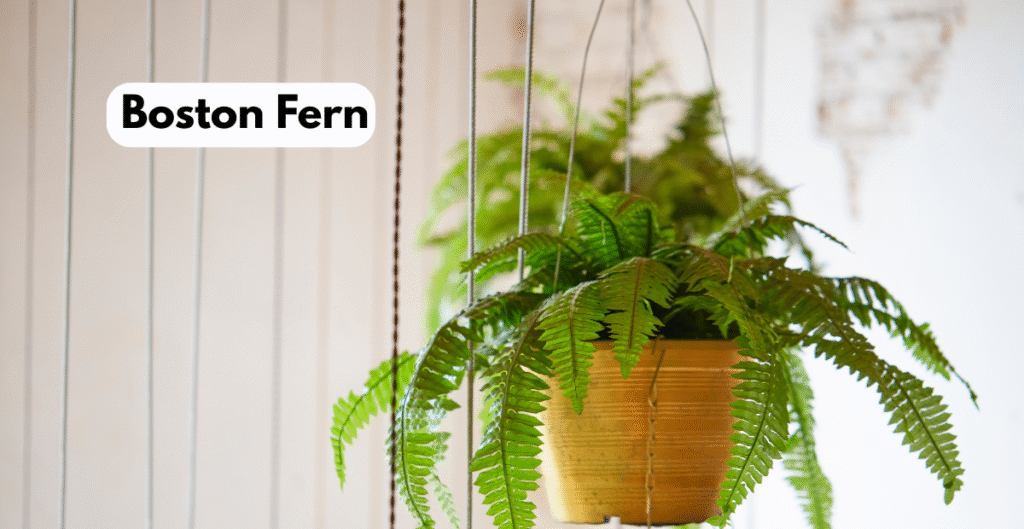
Boston Ferns love humidity and are perfect for kitchens and bathrooms. Their feathery fronds look lush and soft, making them a decorative and functional air purifier.
- Air benefits: Removes formaldehyde and xylene.
- Origin: Native to tropical regions around the world.
- Care tips: Keep soil damp and mist leaves often to maintain humidity.
7. Rubber Plant (Ficus elastica) – The Glossy Giant
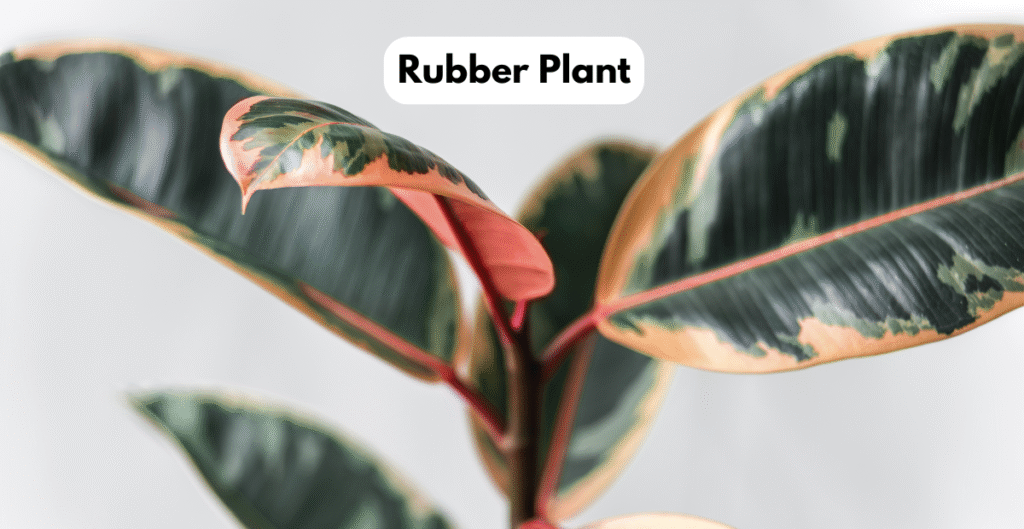
Rubber Plants are striking with their deep green, glossy leaves. They can grow quite tall indoors and double as natural statement décor. They’re also tough when it comes to filtering harmful air toxins.
- Air benefits: Absorbs formaldehyde and other VOCs (volatile organic compounds).
- Origin: Native to Southeast Asia.
- Care tips: Thrives in bright, indirect light. Allow soil to dry between waterings.
8. Bamboo Palm (Chamaedorea seifrizii) – The Tropical Freshener

The Bamboo Palm brings tropical vibes indoors and is a great choice for living rooms or offices. It’s known for being excellent at filtering toxins while being safe for pets.
- Air benefits: Removes benzene, formaldehyde, and trichloroethylene.
- Origin: Native to Central and South America.
- Care tips: Keep in low to medium light, and water regularly to keep soil slightly moist.
9. ZZ Plant (Zamioculcas zamiifolia) – The Indestructible
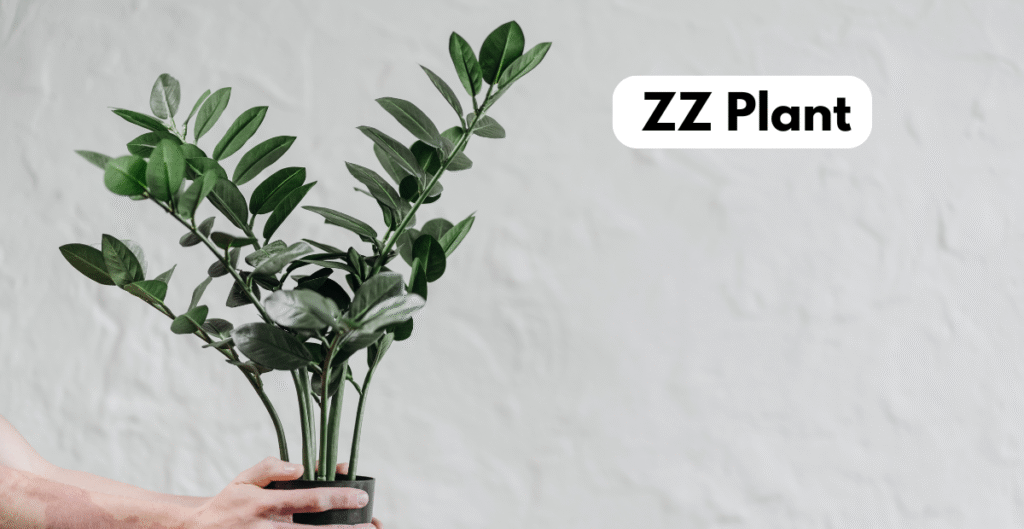
The ZZ Plant is perfect for people who forget to water their plants. Its waxy, dark green leaves not only look modern but also tolerate very low light conditions.
- Air benefits: Removes xylene, toluene, and benzene.
- Origin: Native to East Africa.
- Care tips: Water only once the soil is completely dry. It thrives in low light, making it perfect for offices or hallways.
10. Chinese Evergreen (Aglaonema) – Colorful and Adaptable
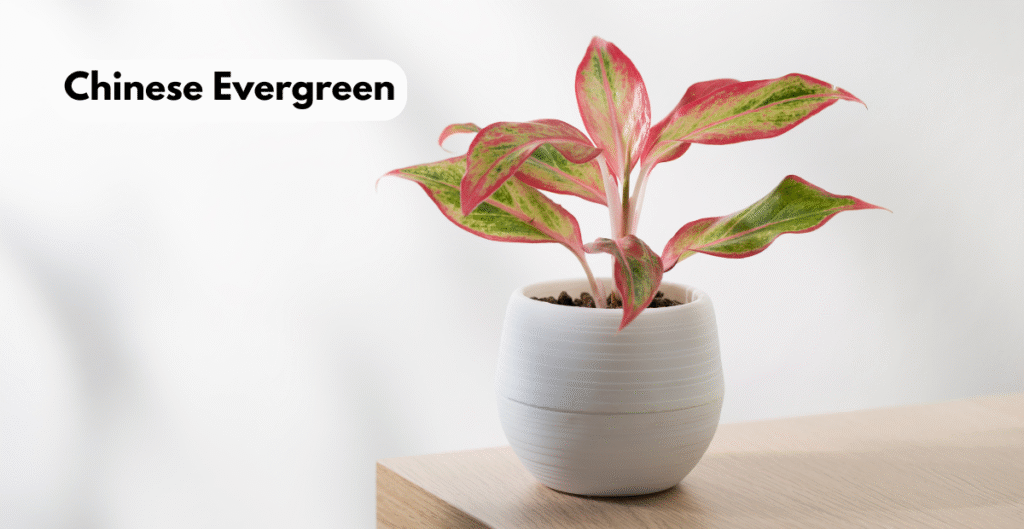
The Chinese Evergreen is one of the most adaptable houseplants, with varieties that feature beautiful green, silver, or even red-tinted leaves.
- Air benefits: Filters benzene and formaldehyde.
- Origin: Native to tropical Asia.
- Care tips: Grows well in low to medium light. Water when the top inch of soil feels dry.
Tips for Growing Air Purifying Plants Indoors
Owning indoor plants is easy, but keeping them healthy requires some care:
- Choose the right spot: Most purifying plants prefer indirect light, so place them near windows but away from harsh sun.
- Water correctly: Overwatering is the most common mistake. Always check soil moisture before watering.
- Clean the leaves: Dust buildup reduces their air-purifying power. Wipe leaves with a damp cloth every few weeks.
- Use multiple plants: For best results, place 1 medium-sized plant per 100 square feet of space.
- Repot when needed: As plants grow, move them to bigger pots to ensure healthy root development.
Are Air Purifying Plants Enough to Clean the Air?
While air purifying plants do help reduce toxins, they work best as part of a healthy lifestyle. They should complement, not replace, proper ventilation, regular cleaning, and the use of air purifiers when needed. Think of them as natural helpers that bring both physical and emotional benefits.