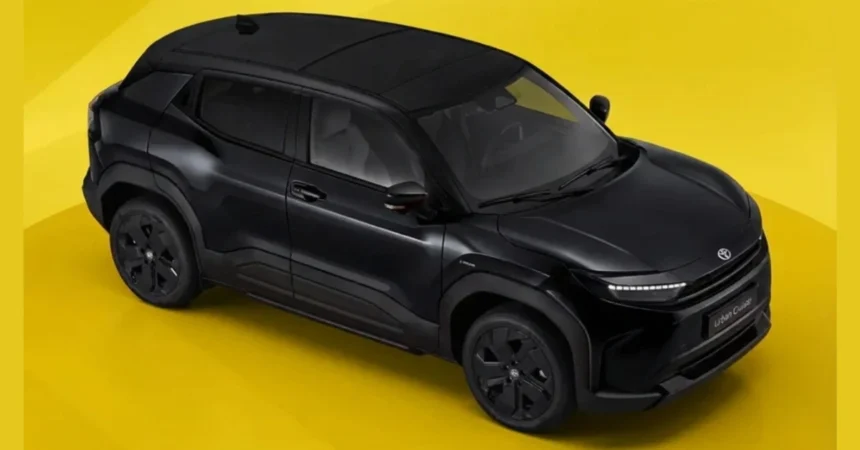
The 2026 Toyota Urban Cruiser arrives as an entry-level electric SUV aimed at buyers wanting a compact, city-friendly EV with modern styling and practicality. Built on a dedicated electric platform and closely related to a similarly engineered crossover, this latest Toyota offers a glimpse of how the brand is broadening its zero-emission lineup with affordable, everyday electric vehicles.
Exterior Styling and Presence
From the outside, the Urban Cruiser stands out with a bold, contemporary look that embodies Toyota’s current design language. Its front end features a distinctive fascia and muscular lines that give it a confident SUV stance without appearing overly rugged.
Compact proportions make it well suited for tight urban environments, while elements like alloy wheels and LED lighting help elevate its road presence in a crowded segment.
Interior Layout and Practicality
Inside, the Urban Cruiser feels functional and intuitive, with a cabin layout that emphasises simplicity and usability. The driving position and controls are easy to understand, though the centre infotainment display can feel over-relied upon for even basic functions such as seat heating and driver-assist settings — which requires more interaction than some competitors.
Rear seating space is decent for the class and features a sliding bench that can be adjusted to prioritise legroom or cargo room, depending on your needs. Boot space is modest with the seats in place but expands reasonably when the rear seats are moved forward.
Powertrains and Range Options
Toyota offers multiple powertrain options for the Urban Cruiser, giving buyers flexibility between range and performance:
- Base Front-Wheel Drive: Powered by a 106kW motor paired with a 49kWh battery, this model provides adequate everyday performance with a claimed range suitable for city commuting.
- Extended Range FWD: A mid-range version uses a larger 61kWh battery and a stronger motor output, delivering better driving range and improved acceleration.
- All-Wheel Drive: The top variant adds a second motor on the rear axle, increasing torque and lowering 0-100 km/h times, though it slightly reduces overall range compared with the longer-range front-drive setup.
Charging capability is generally competitive for its class, but maximum DC fast-charging speeds remain modest. Even on faster public chargers, expect around 45 minutes to top the battery from 10 % to 80 %, while home AC charging may take several hours.
Driving Experience and Ride Comfort
On the road, the Urban Cruiser offers an easy-going experience best suited to calm suburban streets and city cruising. Its suspension is tuned toward comfort, though it can struggle with sharper bumps or rough surfaces, revealing a tendency to feel unsettled where a more compliant setup would fare better.
Handling and steering are predictable but not engaging, making it feel more like a relaxed daily driver than a spirited performer. Electric efficiency can also fall short of claimed figures in real-world conditions, which may disappoint drivers expecting class-leading economy.
Technology and Safety Features
Toyota equips the Urban Cruiser generously, even at base levels. Standard technology includes a digital instrument cluster paired with a centre touchscreen, while adaptive cruise control, blind-spot monitoring, and pre-collision systems add peace of mind.
Higher trim levels bring refinements such as premium audio, wireless smartphone charging, and advanced camera systems, enhancing comfort and convenience for daily use.
Verdict — A Mixed Bag in the Compact EV Segment
The 2026 Toyota Urban Cruiser targets buyers who want a stylish, compact electric SUV with everyday usability. It delivers on space, technology, and practicality, but its ride quality and efficiency fall short of some rivals in the same class.
While it will appeal to Toyota enthusiasts and urban commuters seeking a familiar brand-backed EV, buyers demanding class-leading range, dynamic handling, and smoother ride comfort may find more compelling alternatives elsewhere.